About
The walnut farm today

Meet Roger
Roger Saul is a British entrepreneur and regenerative farmer, best known as the founder of Mulberry. At Sharpham Park in Somerset, he has spent over two decades developing an organic, mixed farming system focused on soil health, biodiversity and sustainability. A pioneer of spelt in the UK and now a leading grower of organic walnuts, Roger advocates for resilient, low-input farming and sustainable UK food security.
Buy Roger Saul's Spelt Recipe Book
From spelt to walnuts
Nothing is wasted. Each stage of the harvest feeds the next.
Working with the seasons
History
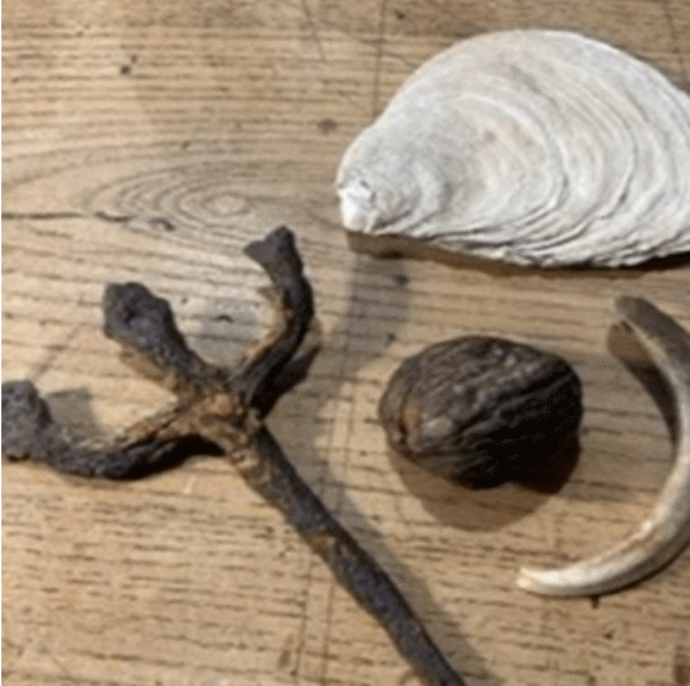
The journey began when Roger Saul stumbled upon a hidden treasure – the remains of a Monk's lunch, tucked away in a 16th-century wall.
Intrigued by the discovery of chicken bones, walnuts and scallop shells in the ancient manor house of the Abbot of Glastonbury, Roger decided to plant 300 organic walnut trees as part of his careful restoration of the farm.
Little did he know that it would take nearly two decades for these walnut trees to mature to productivity!

Our process
When the walnuts are ripe, we dust off the machinery, rev up the tractor for a shake-down and catch the walnuts in a massive tarpaulin.
Then the walnuts are rattled around at super high speed in the skin stripper, cleaning off any green husks, before being loaded into a giant nut dryer to be rolled slowly and gently dry.
Finally, we hand-pack the organic walnuts into recyclable boxes, ready to be whisked away within weeks of their harvest.
The walnut tree
Blog articles
-
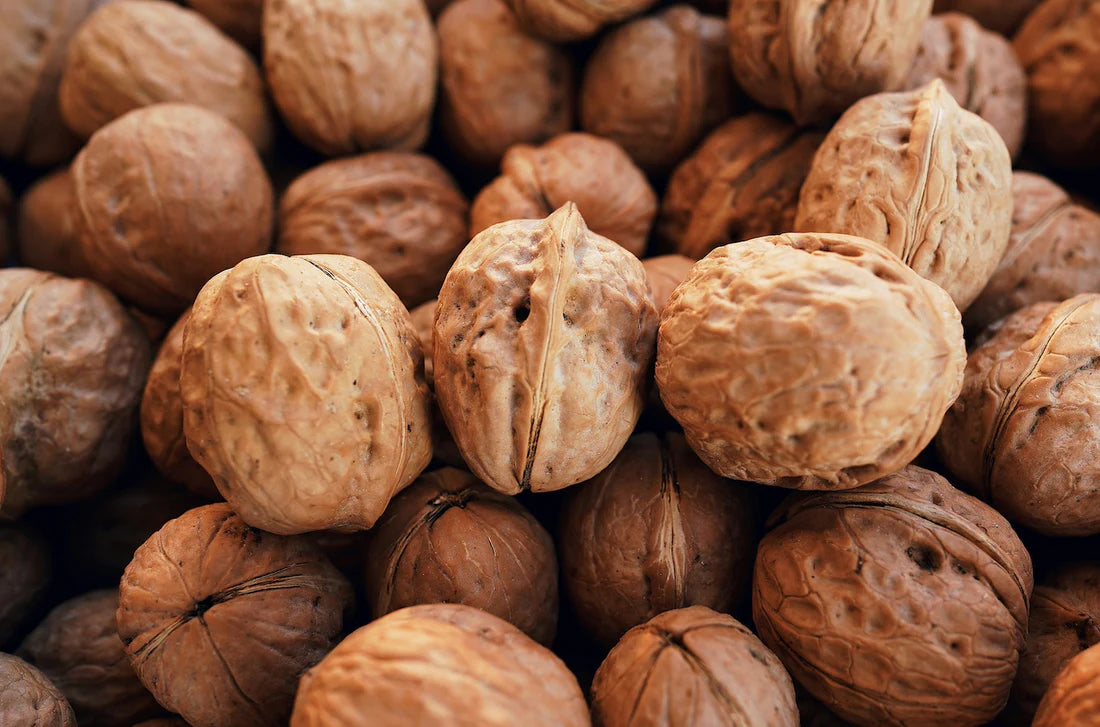
Walnuts, recognised as a Top 50 Sustainable Future Food by the Knorr & WWF report
Learn MorePossibly the oldest tree food known to humans, records report walnut consumption dating back 10,000 years49. Containing more omega 3 fatty acids and vitamin E than many other nuts, the kernel itself resembles the two halves of a brain, reinforcing their nickname of ‘brain food’. Walnuts contain protein, vitamins and minerals, and have been claimed to be one of the most nutritious nuts.
-
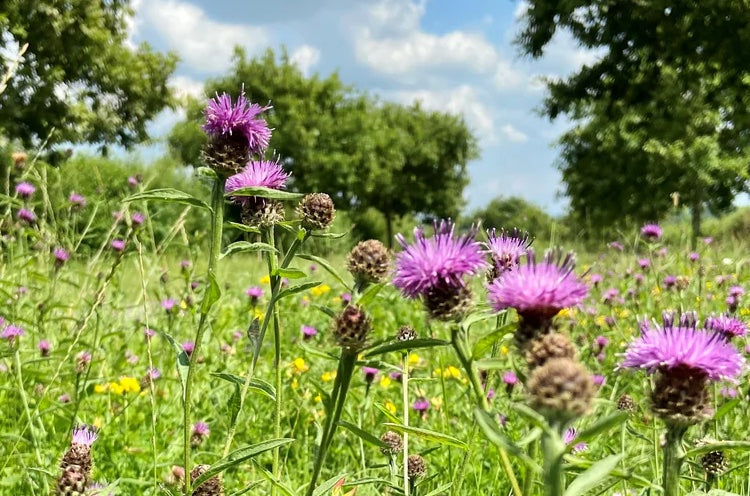
Sustainable, regenerative British Organic Walnut farming without chemicals
Learn MoreRest assured, our commitment to organic and regenerative farming means our products are free from pesticides, insecticides, and oil-based fertilisers. Experience the pure goodness of our organic walnuts, nourished by our thriving soil microbiome, promoting both digestion and gut health.
